Introduction
Farmers in the lower parts of Murang’a County, including Gatanga, Kandara, and Maragua Sub-Counties, have long faced significant agricultural challenges due to low and unpredictable rainfall. The erratic weather patterns in these areas often result in poor harvests of staple crops such as maize, which is highly sensitive to drought conditions. While mango farming has traditionally been a source of income, it is seasonal, leaving many households without a steady revenue stream during off seasons. These conditions contribute to income insecurity, reduced household food availability, and heightened vulnerability for smallholder farmers.
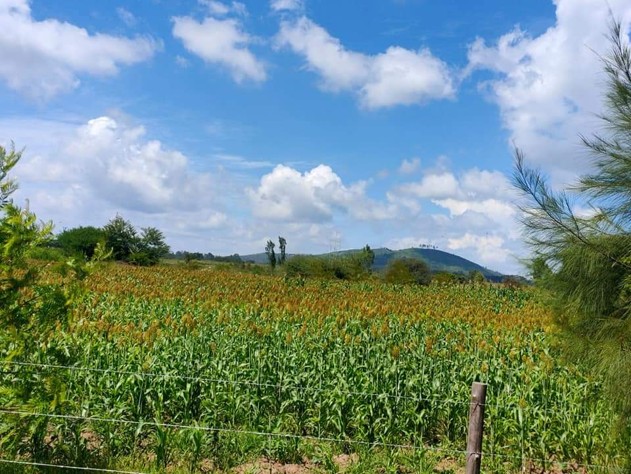
To address these challenges, the Murang’a County Government introduced sorghum farming as a strategic alternative. Sorghum is a drought-tolerant crop that performs well under low rainfall conditions, requires minimal inputs, and has a shorter growth cycle compared to other staple crops. By adopting sorghum, farmers not only reduce production costs but also gain a more profitable and reliable source of income, providing resilience against climate variability and seasonal market fluctuations.
Click the story below to read more.