
Studies have shown that spontaneous labour in term pregnancies often begins at night, a time when the pineal gland releases melatonin, boosting oxytocin levels that encourage labour during the evening and early morning hours (Kennaway, 2015). For Ms. Aisha Odhiambo from Konyango village, Ndhiwa Sub-County, nightfall brought a terrifying ordeal. On the night of 7th October 2025, she was jolted awake by a sharp, unusual pain signalling the start of labour.
She had been experiencing antepartum haemorrhage, vaginal bleeding during pregnancy, which required regular medical check-ups. However, financial challenges and transportation difficulties prevented her from attending these appointments consistently. With heavy rains flooding the main road, neighbours quickly placed her in a wheelbarrow, the only available means, to rush her to the nearest health facility.
After a strenuous journey, Ms. Aisha arrived at Marindi Sub-County Hospital, where clinicians immediately recognised the severity of her condition. Her elevated blood pressure and ongoing bleeding indicated she needed more specialised care. She was swiftly referred to Homa Bay County Referral Hospital, and an ambulance was dispatched without delay.
Upon arrival at Homa Bay, an urgent ultrasound scan revealed the heartbreaking truth that the baby had already passed away. Given the critical situation, doctors performed an emergency Caesarean section to deliver the baby and manage complications related to the antepartum haemorrhage.
Following delivery, Ms. Aisha developed severe postpartum haemorrhage, a dangerous condition involving excessive bleeding after childbirth. The medical team acted promptly, administering medications to help her uterus contract and prevent further bleeding. She also received four pints of blood to stabilize her condition. Thanks to the timely and coordinated care, Ms. Aisha’s life was saved.
“When I went into theatre, one person passed away, but the Lord preserved my life and brought me back. I encourage all mothers to be intentional and consistent with attending their clinic appointments,” she said.
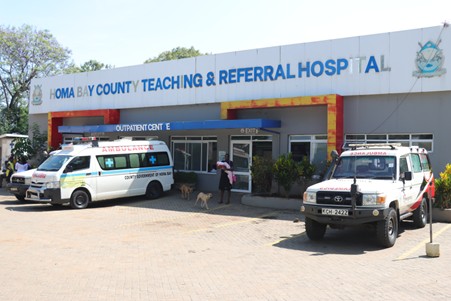
Her survival is a testament to the strength and responsiveness of Homa Bay County’s Maternal and Perinatal Death Surveillance and Response system. Established in August 2023, the MPDSR committee meets every Tuesday, guided by the principle of no name, no shame, no blame. The committee includes the Governor, County Health Management Team, hospital staff across all departments, Sub-County teams, and Community Health Promoters. The Governor often participates in these comprehensive meetings where challenges are identified, immediate actions are taken, and skills gaps addressed through weekly Continuing Medical Education sessions. Maternal audits are conducted and reviewed within seven days to ensure continuous improvement.
These efforts have contributed to Homa Bay recording zero maternal deaths between June and August 2025.
To address persistent challenges, the County has implemented targeted interventions including a County-wide referral WhatsApp group, strict ambulance fuel management protocols, and innovative drone delivery of blood products in partnership with Zipline.
What initiatives has your County taken to improve Maternal and Perinatal Death Surveillance and Response?
Visit https://maarifa.cog.go.ke/ to learn more about the successful initiatives on service delivery our Counties are undertaking.
Mercy Gatabi – CoG, Maarifa Centre